
You're Not Lazy, You're Drained: The Truth About Emotional Burnout
You open your eyes in the morning, and you already feel like you’re starting the day on empty.
It’s not just fatigue that a good night’s sleep wipes away. It’s a deep, stubborn tiredness—the kind that makes your bones ache. It's a heaviness that doesn’t lift with coffee. One that lingers behind your eyes and shadows every single moment; from your morning routine to the middle of the afternoon.
You scroll through your phone, distracted. You pause your scroll long enough to chastise yourself for wasting time when you have so many things that you should be doing. Your to-do list begins to play over and over in your mind.
And then the self-doubt creeps in, shaming us with a resounding:
“Why can’t I just get it together?”
So, you grit your teeth and push through. Determined to be more disciplined, more productive, more… something, more anything! You try to force your way out of exhaustion, believing that if you just tried harder, you’d finally feel “enough.”
But what if motivation isn’t the real issue?
What if the real weight is everything you’ve been carrying—responsibilities, stress, grief, worry—quietly, endlessly, for far too long?
Here’s the truth that deserves to be said out loud:
YOU'RE NOT LAZY!!!
You’re emotionally exhausted.
And no amount of willpower can refill what exhaustion has drained. You don’t need to try harder—you need permission to rest and restore.
In this post, you'll learn
Why “lazy” is often a nervous-system red flag, not a personality trait
What emotional burnout looks like (especially when you’re still functioning)
What’s happening in your body under chronic stress
Where to start if you want restoration—not more pressure
Burnout Isn’t Just “Stress”—It’s System Overload

Burnout is often considered primarily as an occupational issue, typically associated with extended work hours, excessive workloads, and insufficient time. However, this perspective reflects only one aspect of the experience.
According to the World Health Organization, burnout is a syndrome resulting from chronic workplace stress that has not been effectively managed. It is characterized by emotional exhaustion, increased mental distance or cynicism, and a diminished sense of professional efficacy. While this definition is both valid and useful, it does not fully encompass the breadth of burnout.
Burnout extends beyond the workplace, impacting personal relationships, physical health, and overall identity. Emotional burnout, in particular, manifests more subtly through persistent depletion, numbness, and the perception of inadequacy even in tasks that once felt manageable.
Emotional Burnout: The Invisible Drain
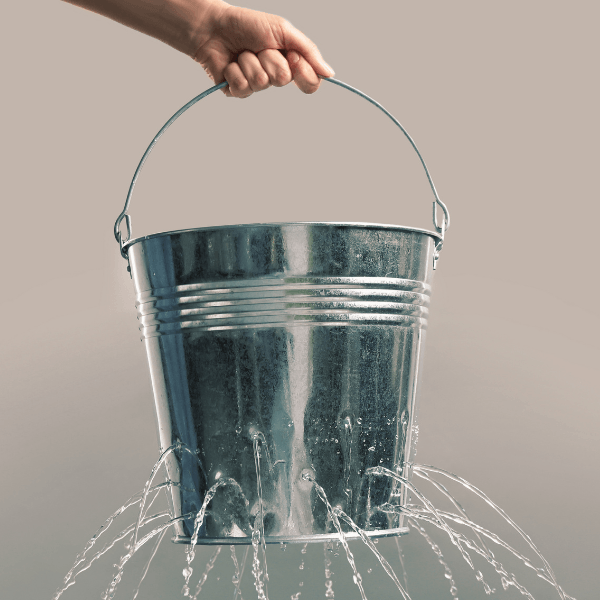
Picture yourself lugging a bucket everywhere you go—this bucket symbolizes your emotional and mental energy. Over time, tiny holes begin to appear, so gradually that you hardly notice. It’s not caused by one major incident or a sudden breakdown, but by small, steady leaks:
You keep silent when something feels wrong.
You show up for others while neglecting yourself.
You replay old conversations in your mind long after they’re over.
You shoulder burdens that weren’t meant for you.
Day by day, your inner resources slowly drain away, just as water does from a leaky bucket. When it gets low enough, even simple tasks start feeling unusually difficult. This isn’t because you lack concern; it’s because you’ve run out of the emotional reserves you need to move forward.
You can put all your effort in trying to make someone happy... but there comes a time when we become tired of trying to fill a bucket that is leaking from the inside.
~Steve Maraboli
"Why Am I Like This???"
This is where the struggle turns inward, quietly reshaping your sense of self.
Suddenly, you start to recognize the signs:
Your focus slips away, no matter how hard you try
Even the smallest tasks feel impossibly heavy
The things that once brought you joy now seem out of reach
Rest offers no relief—it's as though you're never truly restored
And instead of wondering what’s happening to me , you turn the question inward:
"WHAT'S WRONG WITH ME?"
That question stings deeper than the exhaustion itself.
Because now, the ache isn’t just about being tired—it seeps into your very identity.
It's in that moment when “I’m tired” quietly morphs into “Maybe I’m the problem.”
The Science Behind the Shutdown
Your body isn’t working against you.
It’s protecting you—and it’s doing exactly what nervous systems are supposed to do under prolonged stress.
When emotional stress becomes chronic, your nervous system can get stuck in survival mode. That often means prolonged activation of the cortisol response.
Over time, elevated cortisol levels can:
Disrupt sleep cycles
Impair memory and focus
Increase inflammation
Lower emotional resilience
According to the American Psychological Association, chronic stress is linked to increased risk of anxiety, depression, and physical illness.
So, when you feel foggy, disconnected, or depleted- that’s not weakness.
That’s physiology.

Functioning... At A Cost
Recently, a woman walked into my office, visibly carrying significant tension in her posture. Her demeanor was quiet and composed, yet she appeared weighed down by stress. Her posture reflected her experience, and her breathing remained shallow. Rather than showing signs of collapse, she showed resilience by keeping her composure amid pressure.
This example highlights a common misconception:
Burnout doesn't always manifest as a breakdown.
Often, it appears as continued functioning that comes at a personal cost.
Less Pressure ~ More Permission
Burnout doesn’t heal through pressure. It heals through permission.
Permission to:
Take a break without feeling guilty
Say no without explanation or justification
Feel your emotions without trying to fix them
Rest because you need it or want it, not because you’ve “earned” it
This approach isn’t about reducing effort. When you stop seeing your fatigue as a character flaw, you can start to recognize how burnout shows up day-to-day.
Ultimately, it’s about replenishing what’s been drained.
The Subtle Signs You've Been Ignoring
Emotional burnout rarely announces itself.
It whispers—through patterns you might dismiss as “just me lately.”
You might notice:
You feel numb instead of overwhelmed
You avoid things you used to manage with ease
You crave silence, but even silence feels loud
You’re tired… but wired
These aren’t random. They’re signals.
And they’re asking for your attention—not your judgment.
Repairing Your "Bucket" From the Inside Out
Regulate Before You Repair
Your nervous system sets the tone.
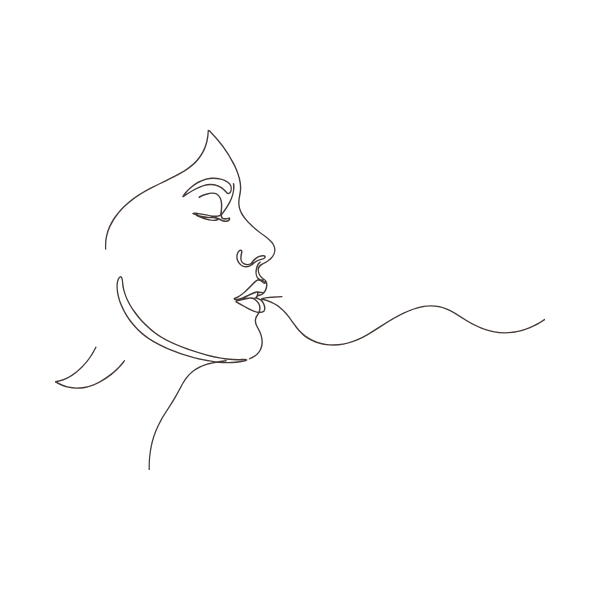
Slow Your Breath
Drop Your Shoulders
Let Your Body Feel Safe Again
Reduce the Invisible Load
Not everything you carry is yours.
Notice what you’re holding:
Out of Habit
Out of Obligation
Out of Fear
Then gently begin to release.
Reconnect with Yourself
Burnout creates distance.
Come back to simple moments:
Step Outside and Feel the Air On Your Skin
Sit Without Needing to Do Anything
Listen to Your Thoughts


Honor Your Capacity
You are not meant to run at full speed every day.
Your energy has rhythms...
Start listening to them.
Your Crossroads
Experiencing emotional burnout isn't failure, it's valuable feedback. Your mind and body are signaling a need for change, not an increase in effort or added stress. It's time to consider a new approach to life, one where you don't have to sacrifice your true self just to keep pace with others.
You’re not lazy. You’ve been running on empty while demanding yourself to perform at full capacity. It’s understandable that you feel worn out! That approach simply isn’t sustainable. But the good news? You can completely change the approach.
Right now, with this awareness, you’re standing at a Crossroads.
Taking the Next Step
Take a moment to pause.
This is not about solving every issue at once, but rather about becoming aware of your present state.
Where are you experiencing tension? What areas call for closer attention?
Initiating these observations can lead to meaningful progress. Small adjustments can foster significant change!
If you’re ready to transition from exhaustion into alignment, you don’t have to go it alone. We can do the work together.

Jennifer A. Sayles is the Founder and Lead Practitioner of Crossroads Holistic Health Services in Michigan, where healing begins at the crossroads of mind, body, and spirit. As a Certified Holistic Health Practitioner, Master-Certified Life Coach, Reiki Master, Energy Healer, Aromatherapist, and Sound Healer, she blends evidence-informed coaching with holistic health and healing practices to support deep, lasting transformation.
Her work is rooted in helping people break cycles, release what no longer serves them, and move forward with clarity, confidence, and intention. Jennifer’s writing is both supportive and practical, offering real tools for growth while reminding you that you are capable of more than you’ve been led to believe.
Crossroads Holistic Health Services
8011 Gilford Rd.
Fairgrove, MI 48757
(989) 501-4567
Follow us!
Read our Company Policies HERE
Join our Letters from the Crossroads Newsletter Fam!
Subscribe now to get email updates.